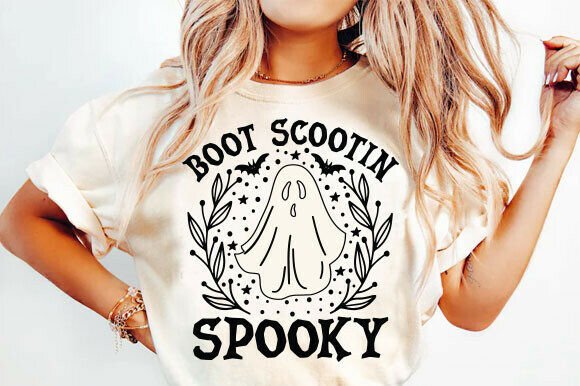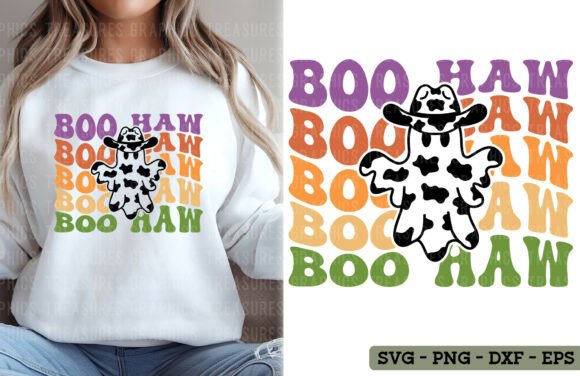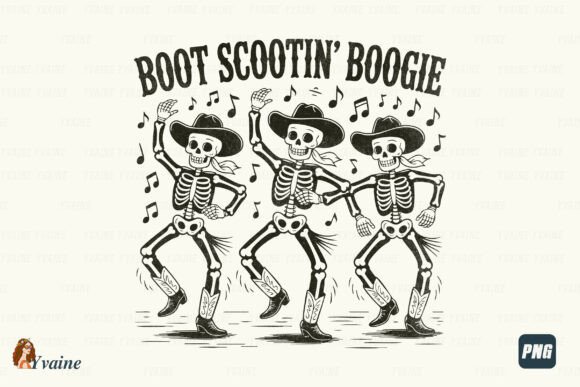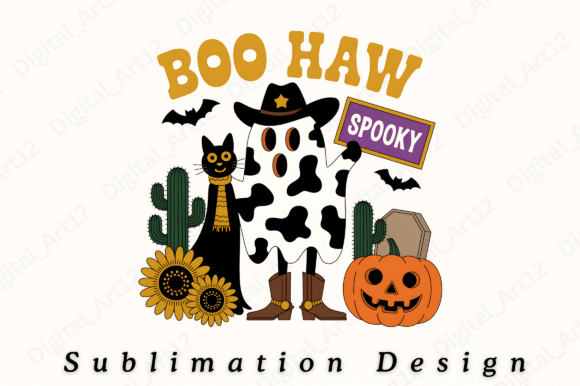
Western Boot Scootin Spooky Halloween
As a designer who spends more time looking at stitch lines than actual stitches, I approach every new digital asset with a healthy dose of skepticism. The market is flooded with generic clipart disguised as embroidery files, and the line between a "cute design" and a "sellable product" is often drawn by technical execution. That is why I took Western Boot Scootin Spooky Halloween for a spin before committing it to my production queue. This isn't just about whether the image looks good on a screen; it is about how it behaves under the needle, how it translates to fabric, and whether it has the commercial viability required for a serious craft business or Etsy shop.
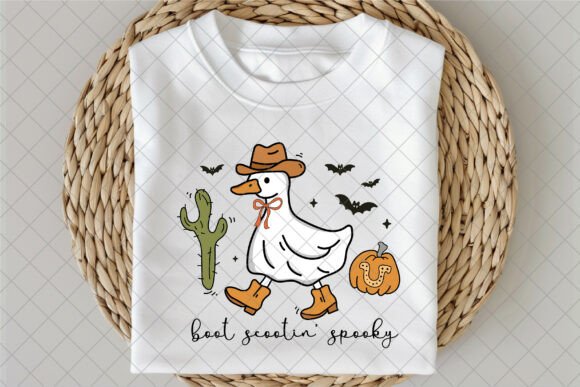
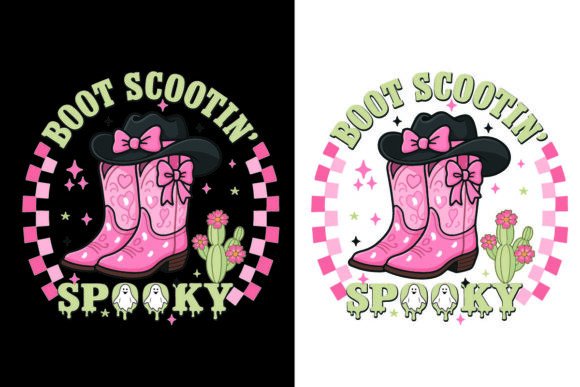
The first thing that strikes you about this machine embroidery design is its thematic clarity. It sits squarely in the intersection of rustic western charm and seasonal spookiness. For T-Shirt Designs and broader Graphics categories, this kind of crossover appeal is gold. It avoids the overly aggressive horror tropes that alienate some buyers while still delivering enough personality to stand out in a crowded holiday feed. The mood is playful yet distinct, suggesting a finished product that feels curated rather than mass-produced.
Visual Personality and Design Composition
When evaluating an embroidery file, the layout is everything. A cluttered design can look like a mess when stitched, especially if the stitch density varies wildly across the canvas. In the case of Western Boot Scootin Spooky Halloween, the composition feels balanced. The visual weight is distributed in a way that suggests it was built with digitizing constraints in mind, rather than being a vector graphic slapped into software without consideration for thread paths.
The design’s visual personality leans towards a boutique aesthetic. It feels right at home on a handmade product intended for gifting or small-batch retail. Whether you are creating a personalized gift for a niece who loves country music or stocking up your Etsy seller inventory for the Q4 rush, this design bridges the gap between hobbyist charm and professional presentation. It doesn’t scream for attention; it invites the viewer in, which is often more effective for building brand consistency and customer trust.
Real-World Application: From Screen to Stitch
Let’s talk about where this design actually lives in your workflow. I imagine this embroidery project shining on specific mediums. While it is categorized under apparel, its versatility extends further. Picture this: you are preparing a custom embroidered tote bag for a local craft fair. The sturdy canvas holds up well to medium-density stitching, allowing the details of the boots and spooky elements to pop without puckering. Alternatively, consider a sweatshirt embroidery application. The heavier fabric provides a stable base, making it easier to manage any potential tension issues.
For small shop product creators, the appeal here is the "giftability" factor. A baby item, such as a onesie or a burp cloth, could benefit from the softer, less intimidating vibe of this design. However, one must be careful with scale. If you are scaling this down for a tiny chest print on a baby garment, you risk losing critical details. Conversely, on a large pillow cover or a kitchen towel, the design can breathe, allowing the stitch density to be appreciated fully. It works equally well as an embroidered patch that can be ironed or sewn onto denim jackets, adding a layer of texture and depth that prints simply cannot replicate.
Technical Considerations and Fabric Constraints
No design is perfect for every surface, and Western Boot Scootin Spooky Halloween is no exception. There are specific scenarios where caution is required. First, consider the hoop size. If you are working with a smaller hoop, ensure the design fits comfortably without touching the edges, which can cause shifting and misalignment. On textured fabrics, such as heavy bouclé or loose-weave linen, fine details may get lost in the weave. In these cases, a stabilizer is not optional—it is essential to maintain structural integrity.
Stretchy fabrics present another challenge. When embroidering on knit tees or stretchy hat materials, the fabric can distort during the stitching process. If the design includes tight satin stitch areas around complex curves, like the outline of a boot or a spooky hat, there is a risk of the thread breaking or the fabric pucker appearing after washing. I recommend testing the design on scrap fabric first to gauge how the thread colors interact with the specific dye lot of your chosen material. Dark fabric can sometimes swallow up lighter threads, reducing contrast and visual impact, so always check your color placement against the background.
Stitch Quality and Commercial Viability
From a reviewer’s standpoint, the value of an embroidery file lies in its efficiency and clarity. Does it use unnecessary jumps? Are there redundant fill stitch areas that add bulk without adding beauty? While I cannot inspect the underlying code of this specific download without running it through my digitizing software, the visual preview suggests a clean structure. For commercial embroidery projects, efficiency matters because time is money. A design that stitches quickly but still looks premium allows you to increase your profit margins.
Furthermore, the inclusion of multiple file formats—such as PNG, EPS, JPG, and SVG—indicates that the creator understands the needs of modern digital entrepreneurs. As a digital product seller, having these design assets allows you to create versatile printable mockups for your listings. You can show customers how the design looks on various products before they even buy the embroidery file. This transparency boosts buyer engagement and reduces return rates because expectations are clearly managed.
Practical Designer Notes for Implementation
- Test Before You Sell: Always run a test stitch on your actual production fabric. Check for stabilizer compatibility and ensure the hoop size accommodates the design without distortion.
- Color Contrast is Key: Review the thread colors against your fabric. Low contrast can make intricate details disappear, especially in running stitch accents.
- Licensing Verification: Before listing this as a small business merchandise item, confirm the licensing terms. Ensure you have the right to sell finished goods created with this design.
- Black and White Mockups: Convert your design to grayscale to check for balance. If the design looks unbalanced in monochrome, it will likely feel off in color as well.
- Density Checks: Inspect dense areas for potential thread breaks or fabric pulling, particularly on curved surfaces like caps or hats.
In conclusion, Western Boot Scootin Spooky Halloween offers a compelling blend of seasonal flair and rustic charm. It is a versatile addition to any craft business library, provided you respect the technical limitations of your equipment and materials. For the discerning handmade shop owner or creative entrepreneur, this design has the potential to drive sales during the holiday season, offering customers a unique, high-quality embroidered alternative to printed goods. Just remember: the best designs are those that survive the transition from digital file to tangible reality, and this one certainly has the makings of a winner.