Western Turquoise Spades Pattern Review
As a designer who spends half my life staring at digitized files and the other half wrestling with thread tension, I don’t just look at a design; I look at how it will behave on fabric. When I first pulled up the Western Turquoise Spades Pattern, my immediate reaction was less about the specific suit symbol and more about the color story. That specific shade of turquoise—cool, crisp, and slightly muted—suggests a vibe that is both rustic and refined. It feels like something you’d see in a high-end boutique in Sedona or a carefully curated Etsy shop specializing in bohemian wedding accessories.
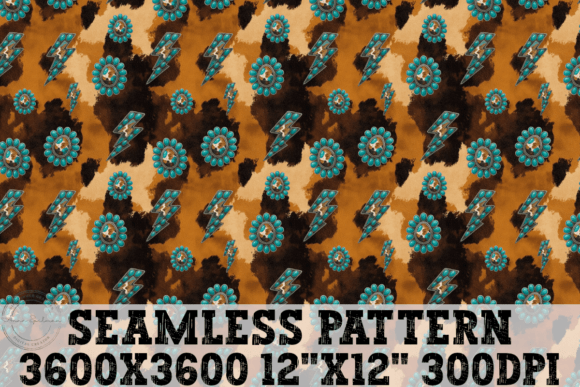
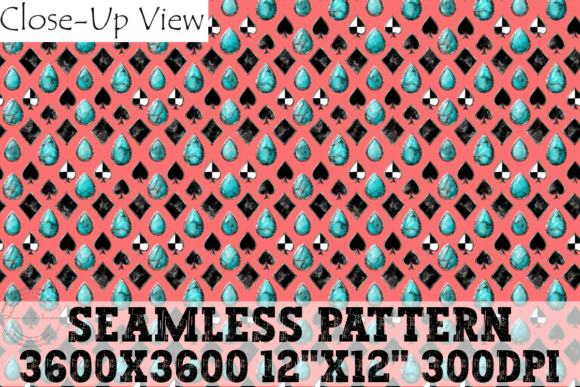
This isn’t just a graphic; it’s a seamless pattern provided as a digital download via Creative Fabrica. For those of us in the craft business, understanding the source material is crucial. Since this is a Graphics product type categorized under Patterns, we are dealing with a tileable repeat. This changes the entire workflow compared to a single standalone motif. You aren’t just embroidering one spade; you are creating a field of them. The file is delivered as a 3600×3600 pixel PNG at 300 dpi, which gives us plenty of resolution for planning, but it also means the heavy lifting of converting this raster image into actual stitch data falls entirely on your embroidery software and your own design eye.
The First Impression: Mood and Visual Weight
The visual personality of the Western Turquoise Spades Pattern is distinct. It avoids the loud, neon aggression of some modern streetwear graphics and instead leans into a timeless, almost vintage aesthetic. The "spade" shape itself carries connotations of luck, games, and classic Americana, but rendered in turquoise, it softens those edges. It feels approachable.
When I imagine this on a physical product, I don’t see it on a heavy-duty work shirt meant for construction. I see it on a linen apron for a artisan baker, or perhaps the pocket square of a groom at a desert-themed wedding. The mood is relaxed confidence. It suggests a brand that values aesthetics without being overly formal. For an Etsy seller or small business owner, this kind of nuanced color choice can be a significant differentiator. It stands out against the usual black-and-white or primary color schemes that flood online marketplaces.
Real-World Application: From Screen to Stitch
Let’s talk about putting this to work. I recently considered using a similar geometric pattern for a line of custom embroidered tote bags for a local farmers' market client. The idea was to create a bag that felt like a lifestyle accessory rather than a promotional giveaway. Here is how I would approach the Western Turquoise Spades Pattern in that scenario:
- Custom Apparel and Tote Bags: A seamless pattern works beautifully on canvas totes. However, because it is a repeating graphic, you need to decide on the scale. If the spades are too small, they might blur together from a distance, losing their identity. If they are too large, the pattern might feel cluttered. I would test the layout by printing the PNG at various scales to find the "sweet spot" where individual shapes are recognizable but the overall texture is cohesive.
- Baby Embroidery and Nursery Decor: There is a surprising versatility here. While spades can feel masculine, the turquoise hue makes it gender-neutral. I could envision this pattern on a baby blanket or a nursery wall hanging. The key here is stitch density. For baby items, you want softness. Using a fill stitch that is slightly loose or combining it with satin stitches can give the fabric a plush, inviting feel rather than a stiff, plastic-like appearance.
- Holiday Gifts and Boutique Products: This design has a strong potential for gifting. Think of personalized kitchen towels or pillow covers for housewarmings. The western theme pairs well with fall and winter holidays. When marketing these as personalized gifts, the visual appeal comes from the contrast between the fabric background and the turquoise thread. On a cream or white cotton towel, the color would pop with elegance.
Technical Considerations and Potential Pitfalls
It is easy to get excited about a pretty picture, but as an experienced reviewer, I must point out where things can go wrong. The transition from a 300 dpi PNG to an embroidery file is not automatic magic; it requires judgment.
Small Hoop Sizes and Detail Loss: If you attempt to digitize this pattern for a very small hoop (like 4x4 inches) and try to cram too many repeats into the space, you risk losing clarity. Small details in the spade shape might merge if the stitch density is too high. Always inspect the small details before committing to a production run. If the spades have intricate internal lines, ensure your digitizer settings allow for enough precision, or simplify the design to avoid a muddy result.
Fabric Texture and Stability: This pattern relies on clean lines. If you place it on a highly textured fabric, like a chunky knit or a rough burlap, the definition will suffer. The best results will come from smooth-to-medium weight fabrics like cotton, linen, or denim. Furthermore, because it is a tileable repeat pattern, you need to ensure your stabilizer is robust enough to handle the cumulative weight of multiple stitch layers, especially if you are using dense fill stitches for the turquoise areas. Without proper support, the fabric will pucker, ruining the professional look of the finished product.
Thread Color Contrast: The success of this design hinges on the turquoise thread matching the digital preview. Not all turquoise threads are created equal. Some lean green, some lean blue. Before starting a large batch of commercial embroidery, test your thread on your actual fabric. Also, consider the background. On dark fabric, you may need an underlay or a backing layer to make the light turquoise visible, which adds bulk. On light fabric, the contrast should be natural and striking.
Practical Designer Notes for Success
If you are planning to use the Western Turquoise Spades Pattern for your craft business or handmade products, follow these practical steps to ensure a professional outcome:
- Test on Scrap Fabric: Never jump straight into your final garment. Stitch the pattern on a scrap piece of the same fabric you plan to use. Check for puckering, thread breaks, and color accuracy.
- Review Stitch Density: Look at the estimated stitch count. If the design is excessively dense, it may become stiff and uncomfortable, particularly for wearable items like sweatshirt embroidery or caps. Adjust the density in your software if necessary to balance durability with comfort.
- Check Licensing: Since this is downloaded from Creative Fabrica, verify the specific license terms. Are you allowed to sell finished physical goods? Is there a limit on the number of units? Confirming this prevents legal issues down the road.
- Use Proper Stabilizer: Match your stabilizer to the fabric weight. A lightweight tear-away might suffice for a single-layer cotton tee, but a cut-away stabilizer is likely needed for stretchy knits or heavy denim to maintain the integrity of the seamless pattern over time.
- Black and White Mockups: Convert your design to grayscale to check the value contrast. If the turquoise blends into the fabric even when desaturated, the design might lack the punch needed for retail visibility.
Final Verdict on Visual Appeal and Brand Value
The Western Turquoise Spades Pattern offers a unique blend of western charm and modern color theory. It is not a generic clip-art solution; it has character. For designers looking to add a touch of sophistication to their digital product previews or printable mockups, this pattern provides a strong foundation. It elevates simple items like tea towels and patches into perceived premium goods.
However, its effectiveness depends entirely on execution. It rewards patience and technical skill. If you rush the digitization process or ignore fabric compatibility, the potential is wasted. But if you treat it with the respect due to a high-quality embroidery project, it can become a standout asset in your portfolio. It fits perfectly into the current trend of personalized, aesthetically driven home goods and apparel. For the creative entrepreneur willing to put in the testing time, this pattern offers a versatile, visually appealing route to creating memorable finished products that customers will actually want to keep and use.