Western Cross Tumbler Wrap Review
As a designer who spends half my day staring at stitch charts and the other half arguing with embroidery machines, I don’t just buy designs; I stress-test them. When Western Cross Tumbler Wrap landed in my inbox, I didn’t immediately think about adding it to my Etsy shop or printing it for a client. Instead, I asked myself: Does this hold up when stitched? Does it feel authentic, or does it look like a cheap clip-art job slapped onto a tumbler? After running through some mental mockups and reviewing the file structure, here is my honest take on whether this design deserves a spot in your digital library.
First Impressions and Visual Personality
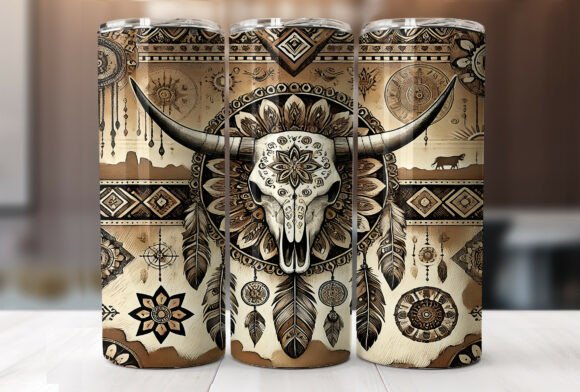
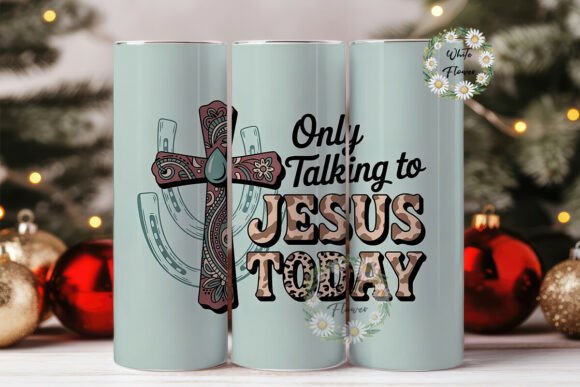
The Western aesthetic is everywhere right now, but that is exactly why it is risky. It is easy for a design to tip over into looking kitschy rather than stylish. The first thing I noticed about Western Cross Tumbler Wrap is its balance. It manages to feel rustic without being cluttered. The layout suggests a strong vertical flow, which is critical for a wrap design that needs to contour around a cylindrical object like a tumbler or a tote bag.
The mood is grounded. It feels like something you would see in a boutique home goods store or as part of a curated gift set for a housewarming. It isn’t trying too hard. For designers, this is a huge plus. You want a design that lets the quality of the stitching speak for itself, rather than one that relies on excessive detail that might get lost in the thread. The visual personality here is confident and clean, making it versatile enough for both serious crafters and professional small business owners.
Real-World Application: From Screen to Stitch
Let’s talk about how this actually performs in a real project scenario. Imagine you are preparing a custom order for a bride-to-be. She wants a "Cowgirl Wedding" theme and has ordered personalized tumblers for her bridesmaids. Or perhaps you are a maker prepping for the holiday season, looking to create a set of embroidered kitchen towels featuring farmhouse decor. In these scenarios, Western Cross Tumbler Wrap shines because of its adaptability.
I envision this design working exceptionally well on heavy cotton canvas totes or durable polyester blends used for sweatshirts. The graphic nature of the design means it translates well to different mediums. If you are an Etsy seller, this is the kind of asset that can be easily adapted into a printable mockup. You can place the digital version on various backgrounds to show potential buyers how it looks on a dark navy tumbler versus a cream-colored apron. This flexibility increases your product value because you aren’t limited to just one type of merchandise.
However, it is important to remember that this is a Tumbler Wrap category item, but its application shouldn’t be strictly limited to drinkware. While the name implies a specific use case, the Graphics within it are robust enough to serve as a central motif for custom apparel, nursery decor, or even as a focal point for an embroidered patch. The key is recognizing that the design provides a strong visual anchor that doesn’t overwhelm the garment or accessory it is placed upon.
Technical Considerations and Stitch Clarity
When evaluating any machine embroidery design, the devil is in the details. The description notes that the design is provided in two variations: Straight and Tapered. This is a smart approach by the creator, acknowledging that not all tumblers or bags have perfectly straight sides. As a reviewer, I appreciate this attention to structural reality. It saves the end-user from having to manually distort the image in their editing software, reducing the risk of pixelation or awkward stretching.
With a resolution of 300 DPI and no watermark, the file is ready for high-quality output. But resolution alone doesn’t guarantee a good stitch-out. Here is where my designer hat kicks in. You need to pay close attention to the stitch density. Western themes often rely on bold lines and solid fills. If the fill stitch areas are too dense, you might encounter puckering, especially on thinner fabrics like standard tea towels or lightweight cottons. Conversely, if the satin stitch edges are too narrow, they may fray or lose definition after washing.
I strongly advise testing the design on scrap fabric before committing to a final product. Check how the thread colors interact with your chosen fabric texture. A light beige cross on white fabric might disappear, whereas the same design on a charcoal gray background could pop beautifully. Always inspect the smaller details. Are there tiny elements that might require a running stitch so fine that it breaks easily? If so, consider simplifying the design for commercial products that need to withstand frequent laundering.
Where to Use Carefully
While this design is versatile, it is not a magic bullet for every surface. There are specific situations where you should exercise caution:
- Small Hoop Sizes: If you are working with a very small hoop, ensure the 9.3” x 8.2” sizing (which likely refers to the digital bounding box) can be scaled down without losing critical detail. Tiny satin stitches can become muddy blobs when reduced too much.
- Textured or Stretchy Fabrics: Avoid using this on highly textured bouclé fabrics or stretchy knits unless you are using a stabilizer specifically designed for those materials. The design’s sharp lines might warp if the fabric shifts during stitching.
- Dense Stitch Areas: Be mindful of areas with heavy fill. On delicate items like baby clothes or thin silk scarves, the weight of the thread might cause the fabric to sag.
- Curved Surfaces: While the tapered file helps, applying a flat design to a heavily curved cap or a rounded pillow corner requires skill. Ensure you understand how the 2D graphic will translate to the 3D object.
Impact on Brand and Customer Trust
For small business owners and creative entrepreneurs, the perceived value of a handmade product is directly tied to the professionalism of the execution. A poorly digitized design screams amateur hour. It can erode customer trust quickly. Western Cross Tumbler Wrap, by virtue of its clean lines and clear structure, supports a premium brand image. When a customer receives a personalized gift or a craft business item that looks crisp and intentional, they are more likely to leave a positive review and return for future purchases.
This design also plays well into current trends for holiday embroidery and seasonal decor. Whether it is part of a fall harvest collection or a winter cabin-themed gift set, the western motif adds a touch of rugged charm that appeals to a broad demographic. It helps differentiate your shop from competitors who might be using overly generic or trendy designs that fade quickly. By offering a classic, well-executed graphic, you are building a library of design assets that have longevity.
Final Designer Verdict
In conclusion, Western Cross Tumbler Wrap is a solid addition to any embroidery workflow. It offers practical versatility, moving beyond simple drinkware to enhance a variety of handmade products. Its clean aesthetic makes it suitable for both personal projects and commercial embroidery ventures, provided you respect the technical limitations of your materials.
Before you start mass-producing, do your due diligence. Confirm the licensing terms for digital embroidery file usage if you plan to sell finished items. Test the stitch-out. Verify that the hoop size constraints work for your machine. And most importantly, trust your eye. If the design looks balanced and feels true to the western theme you are aiming for, then you have a winner. For makers looking to add a touch of rustic elegance to their tote bag design offerings or sweatshirt embroidery collections, this is a worthy investment of time and resources.