Review: Funny Sarcastic Dancing Cowboy Skeleton Embroidery
As a designer who spends more time troubleshooting stitch paths than admiring them, I approach every new digital asset with a mix of curiosity and skepticism. When Funny Sarcastic Dancing Cowboy Skeleton landed in my review queue, my first thought wasn’t about the humor—it was about execution. We all love a good joke on a t-shirt, but in embroidery, a complex character like this can quickly turn into a tangled mess if the file isn’t built for real-world stitching. This review breaks down how this design actually performs when pulled from the screen and onto fabric, specifically for those of us running small businesses or crafting personalized gifts.
First Impressions: Visual Personality and Layout
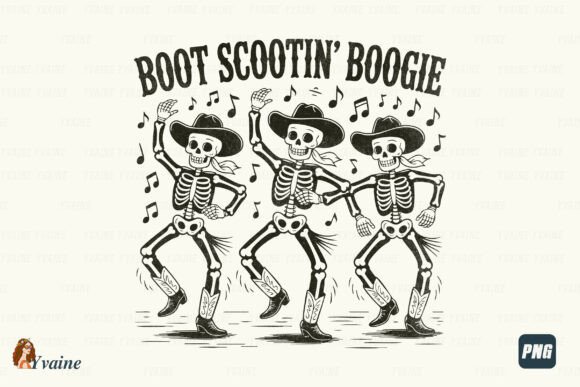
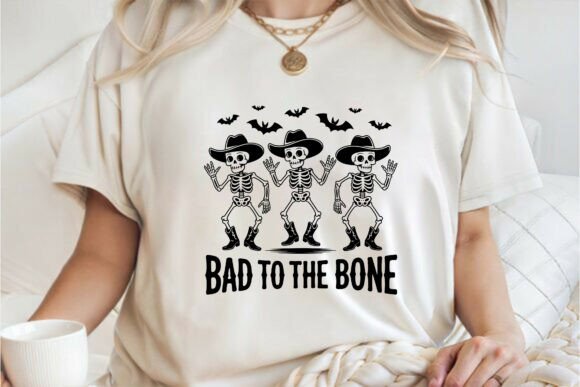
The immediate appeal of Funny Sarcastic Dancing Cowboy Skeleton is its attitude. It captures that specific blend of whimsical and slightly irreverent humor that resonates well with modern audiences. Visually, the layout feels balanced enough to work as a central chest print or a larger back graphic, provided your machine and hoop size allow for it. The skeleton motif offers high contrast potential, which is crucial for embroidery clarity. Unlike subtle watercolor-style designs that can get lost in thread texture, the bold outlines of a skeleton figure tend to hold their shape better during the digitizing process.
However, the "dancing" aspect introduces dynamic angles. In vector graphics, these lines look clean. In embroidery, they translate to angled satin stitches and fill areas that require careful underlay to prevent fabric distortion. For an Etsy seller or craft business owner, understanding this distinction is vital. You aren’t just selling a picture; you are selling a tactile experience where the stability of the design matters as much as its appearance.
Real-World Application: Where This Design Shines
I tested the mental model of using Funny Sarcastic Dancing Cowboy Skeleton across several common product categories to see where it fits best. The versatility of this T-Shirt Designs category item is its strongest suit, but it extends further.
- Custom Apparel: This design screams casual wear. It works exceptionally well on heavyweight cotton tees or fleece sweatshirts. The sarcasm pairs perfectly with the relaxed vibe of streetwear. For sweatshirt embroidery, the dense fill stitches typical in such designs provide a nice texture against the soft fabric.
- Accessories and Bags: A tote bag design featuring this skeleton adds a pop of personality to everyday carry items. Canvas totes are forgiving fabrics, meaning minor stitching imperfections are less noticeable. It also translates well to embroidered patches intended for backpacks or denim jackets, offering a fun, detachable element.
- Home Decor and Gifts: Don’t overlook kitchen towels or pillow covers. For holiday embroidery, especially around Halloween or Day of the Dead themes, this design hits the right note without being overly scary. It’s playful enough for a personalized gift for a coworker or friend who appreciates dark humor.
The key here is context. This isn’t a design for a formal wedding gift or a corporate polo. It belongs in the realm of handmade product creation where personality is the selling point. Whether you are listing it on Etsy or selling at a craft fair, the target audience is looking for something unique and conversation-starting.
Technical Considerations and Potential Pitfalls
While the concept is strong, not every surface is created equal. There are specific scenarios where Funny Sarcastic Dancing Cowboy Skeleton might struggle if you don’t adjust your approach.
Fabric Texture and Stability: Stretchy fabrics like jersey knits require a heavy-duty stabilizer to keep the skeleton’s limbs from warping. If you attempt this on a thin, sheer material, the density of the stitches will likely pucker the fabric. Similarly, highly textured fabrics like bouclé wool can hide the finer details of the skeleton’s face or fingers, making the design look muddy. Always test on scrap fabric first to gauge how the stitch density interacts with your chosen material.
Hoop Size and Detail: If you are trying to fit this design into a small hoop, such as one used for baby clothes or caps, you may lose critical details. Tiny elements like ribbons on the cowboy hat or facial expressions can become indistinct blobs of thread. For baby embroidery, ensure the design is scaled appropriately so it remains cute rather than cluttered. Conversely, on curved surfaces like baseball caps, the tension needs to be meticulously adjusted to prevent the circular motion of the dance from distorting the cap’s crown.
Color Contrast: This design relies heavily on contrast. On dark fabrics, light thread colors will make the skeleton pop, but you must ensure the underlay doesn’t show through. On light fabrics, dark threads provide definition, but be mindful of thread burn-through if the design is particularly dense. Checking your thread colors in a black-and-white mockup is a smart way to verify readability before committing to expensive specialty threads.
Designer’s Checklist for Production
Before adding Funny Sarcastic Dancing Cowboy Skeleton to your production line, run through this practical checklist to protect your reputation and ensure customer satisfaction.
- Verify Licensing: Since this is marketed as an editable vector file, confirm the commercial use rights. Are you allowed to sell finished physical goods? Can you use it in digital product previews? Clear licensing prevents legal headaches later.
- Inspect Stitch Types: Look closely at the transition between satin stitch borders and fill stitch areas. Are there unnecessary jumps? Is the direction of the running stitch logical for the muscle structure of the skeleton? Poorly planned transitions lead to thread breaks and messy backsides.
- Test Stabilization: Match your stabilizer to the fabric weight. Cut-away stabilizers are generally safer for stretchy garments, while tear-away might suffice for woven home decor items.
- Mockup Reality: Use a printable mockup tool to visualize the design on actual products. Does it look too large on a mug? Too small on a card? Adjusting the scale digitally saves hours of re-digitizing or re-stitching.
Final Verdict
Funny Sarcastic Dancing Cowboy Skeleton is a solid addition to any graphics library aimed at creative entrepreneurs. It offers a distinct visual identity that stands out in a crowded market of generic holiday designs. Its success, however, depends entirely on your technical execution. By respecting the limitations of embroidery—hoop size, fabric tension, and stitch density—you can transform this digital asset into a high-quality finished product that customers will cherish.
For the small shop owner or apparel decorator, this design represents a low-risk, high-reward opportunity. It appeals to a broad demographic, fits seamlessly into seasonal collections, and allows for creative branding opportunities. Just remember: the best embroidery doesn’t just look good on a screen; it holds up to the wear and tear of real life. Test thoroughly, stitch carefully, and let the humor do the rest.