Halloween Ghost Western Review
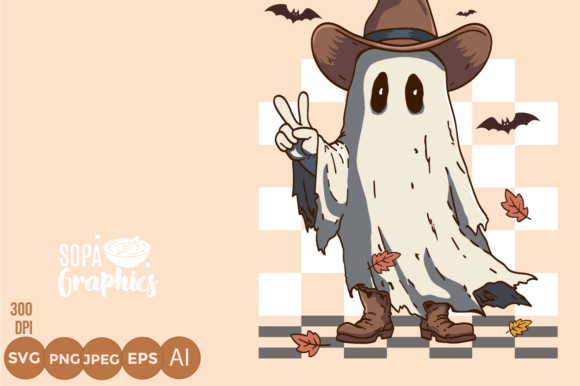
As an embroidery designer who has stitched thousands of files for clients and personal projects, I don’t just look at a design file; I look at the finished product before it ever touches the hoop. When I first pulled up Halloween Ghost Western, I knew immediately that this wasn’t just another generic spooky graphic. It is a character-driven piece with serious texture potential. The concept—a front-facing cartoon ghost draped in a ragged sheet made of stitched fabric patches, complete with frayed edges, visible seams, and a cowboy hat featuring a small star badge—is clever. It blends two distinct aesthetics: the playful spookiness of Halloween and the rugged charm of the American West. But does it translate well to thread? That is the real question.
First Impressions and Visual Personality
The immediate mood of this design is whimsical yet slightly worn-in. Unlike clean, vector-style ghosts that can sometimes feel sterile or overly digital, this one embraces imperfection. The "ragged sheet" description suggests a lot of visual noise, which in embroidery terms means high detail. For a designer, this is exciting because it allows for creative thread choices. The visible seams and patchwork elements invite you to use varied thread colors to mimic different fabrics, while the frayed edges offer an opportunity to play with satin stitches or even cutwork techniques if your machine supports it.
The cowboy hat with the star badge adds a focal point. It grounds the floating ghost, giving it weight and personality. It feels like a character you’d see on a boutique t-shirt or a child’s pillowcase rather than a mass-produced item. This isn't just a clipart image; it’s a Graphics asset that tells a story. For those of us selling on Etsy or running a craft business, that narrative quality is what drives sales. Customers don’t just buy a ghost; they buy the idea of a friendly, rustic Halloween companion.
Real-World Application: Where This Design Shines
I’ve been thinking about how to integrate this into my current workflow, and several specific products come to mind where Halloween Ghost Western would perform exceptionally well. First, the tote bag. A canvas tote is the perfect substrate for this kind of detailed, textured design. The sturdy fabric can handle the stitch density required for the patchwork details without puckering. Imagine a natural-colored canvas bag with a multi-color ghost centered on the front. It becomes a statement piece for fall festivals or trick-or-treating.
Next, consider custom apparel. A sweatshirt embroidery project often benefits from designs that have some "heft" to them. This ghost has enough visual weight to stand out against thick cotton fleece. It works especially well on heather gray or muted olive green shirts, where the contrast will highlight the white and off-white tones of the ghost’s sheet. For baby embroidery, this design could be scaled down for a onesie or a burp cloth. The cartoonish nature makes it safe and appealing for parents looking for something cute but not scary for their little ones.
Home decor is another strong contender. A pillow cover or a kitchen towel featuring this design would add a seasonal touch to any home. Because the design includes so many lines and textures (the seams, the frayed edges), it catches the light beautifully when stitched. On a tea towel, the detail remains crisp, making it a great gift item. Holiday gifts are a huge market right now, and personalized products featuring unique characters like this ghost can command a higher price point than simple text-based designs.
Technical Considerations and Stitching Challenges
However, as an experienced reviewer, I have to be honest about where this design requires careful handling. The description mentions "frayed edges" and "visible seams." In machine embroidery, simulating fraying often involves dense satin stitches or complex fill stitches. If the stitch density is too high, you risk distorting the fabric, especially on lighter materials. Before committing to a final run, you must test the design on scrap fabric first. Pay close attention to how the needle penetrates the fabric; if the ghost’s sheet area is too dense, it might become stiff and uncomfortable to wear.
Another critical factor is the hoop size. While the exact dimensions aren't provided in the source material, designs with this level of detail usually require a medium-to-large hoop to accommodate the full width of the ghost and its hat. If you are trying to fit this onto a smaller item like a baseball cap or a small embroidered patch, you may need to scale it down significantly. Be cautious here: scaling down can cause tiny details, like the star badge on the hat or the individual "patches" on the sheet, to merge together and lose definition. Always inspect small details after resizing.
Fabric choice is paramount. Avoid stretchy fabrics unless you are using a heavy-duty stabilizer. Thin fabrics might show the backing through the stitches, ruining the illusion of the ragged sheet. Dark fabrics can work, but you’ll need to ensure your thread colors have enough contrast. If you’re stitching this on black fabric, you might need to use a contrasting outline color to make the ghost pop. Conversely, on white fabric, the white parts of the ghost might disappear, so consider using a subtle shadow stitch or a light gray thread for depth.
Practical Designer Notes for Success
- Stabilizer Selection: Given the likely density of the patchwork and frayed edges, a tear-away stabilizer might not be enough. Consider a cut-away stabilizer for garments that will be washed frequently, or a high-quality water-soluble topping to keep the satin stitches smooth and prevent thread breaks.
- Thread Color Contrast: Don’t just stick to standard white thread for the ghost. Experiment with creams, ivories, or even light grays to give the "sheet" a more realistic, aged look. Use darker threads for the seams and shadows to enhance the 3D effect.
- Black and White Mockups: Before digitizing or ordering production runs, view the design in black and white. This helps you assess the balance of light and dark areas. If the design looks too muddy in grayscale, it will likely look cluttered in color.
- Licensing Check: As a digital product seller or commercial embroiderer, always confirm licensing before selling finished items. Ensure you have the rights to use this machine embroidery design for commercial purposes, especially if you plan to sell these as part of a larger collection.
Final Verdict on Value and Appeal
Ultimately, Halloween Ghost Western offers a high level of visual appeal due to its unique combination of themes. It stands out in a crowded market of traditional jack-o'-lanterns and witches. For the Etsy seller or small shop product creator, this design provides a fresh angle that can help differentiate your brand. It feels professional, thoughtful, and highly giftable.
The design assets are versatile enough to work across various mediums, from tote bag design applications to sweatshirt embroidery. Its strength lies in its texture and character. If you are willing to put in the time to test stitch densities and choose the right fabrics, this design can elevate your handmade product line. It transforms a simple holiday motif into a wearable piece of art. For anyone looking to add a touch of rustic charm to their Halloween offerings, this is a strong candidate worth adding to your library of digital embroidery files.
In summary, this is not a "set it and forget it" design. It rewards the skilled embroiderer who pays attention to detail. But for those willing to invest that effort, the result is a stunning, conversation-starting piece that captures the spirit of the season with a unique western twist.