Halloween Cowboy Boot Embroidery Design Review
As an embroidery designer who regularly evaluates digital graphics for real-world use, I always look for a balance between visual appeal and practicality. The Halloween Cowboy Boot design caught my eye not just for its festive theme but also for how it might translate into a variety of embroidered products. Let’s break down what this design offers, where it shines, and where you should be cautious when using it in your creative projects.
A First Glance: Mood and Visual Personality
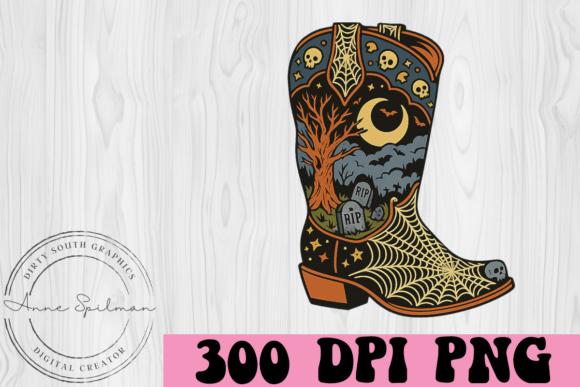
The Halloween Cowboy Boot has a distinct character that blends two strong themes—Western style and spooky season vibes. It’s not a subtle graphic; instead, it leans into bold lines and vivid color contrasts. The shape is well-defined with a clear focal point, making it instantly recognizable. The transparent background gives it flexibility to be placed on different fabric colors or backgrounds without looking out of place.
I found the overall layout to be clean, which is surprising given the thematic complexity. There are no unnecessary elements cluttering the image, and the details like stitching outlines and texture shading add depth without overwhelming the viewer. This kind of balance is essential for any embroidery project, especially if you’re aiming to create a professional finish or something that stands out on an Etsy listing.
Real-Life Use: Tote Bags and Sweatshirts
One of the first applications I considered was using this design for a custom sweatshirt or tote bag. Both are popular items among crafters and small shop product creators, particularly during the fall season. The Halloween Cowboy Boot would make a striking feature on a dark navy or black hoodie, popping against the muted tone while still feeling cohesive with the seasonal aesthetic.
For tote bags, the size of the design (at least 2500 pixels on one side) allows for a large-scale print that works well with both front-and-back placement and single-sided designs. Because it's a .png file with a transparent background, you can easily layer it with other graphics or text if needed. However, since it isn’t an SVG file, you’ll need to manually adjust placement and scaling before converting it into an embroidery file.
Applique and Satin Stitch Potential
This design seems most suited for applique-style work using satin stitch around the outer edges. The clear boundaries and solid fill areas make it ideal for outlining and shading with contrasting thread colors. If you're planning to do a custom apparel run, such as personalized sweatshirts or Halloween-themed kids’ tees, the Halloween Cowboy Boot could serve as a great standalone graphic or part of a larger motif.
On a white or light-colored t-shirt, the design reads clearly and adds a touch of whimsy. On darker fabrics, you may want to consider using white or metallic threads for the main features to ensure visibility. Thread contrast is crucial here, and I recommend testing the design on scrap fabric to see how the colors render under actual embroidery conditions.
When to Be Cautious: Small Hoop Sizes and Textured Fabrics
While the Halloween Cowboy Boot looks impressive at full scale, it does have some limitations depending on the application. If you're working with small hoop sizes—like those used for embroidered patches or baby clothes—the level of detail might get lost. The design doesn’t simplify well in smaller formats, so unless you plan to zoom in significantly, it’s best reserved for larger embroidery spaces.
- Textured fabrics: The fine shading and smooth gradients won’t stitch cleanly on denim, flannel, or canvas without proper stabilizer and careful tension control.
- Stretchy materials: Stretchy knits may distort the design, especially in areas with tight curves or intricate lines.
- Dark fabric: You’ll need to test thread visibility thoroughly. Using light-colored thread is likely necessary to maintain clarity.
Also, keep in mind that because this is a raster-based .png rather than a vector format, resizing it too much could lead to pixelation. Always confirm the final stitch density and placement after conversion to ensure it holds up on the intended surface.
Design for Commercial and Handmade Projects
For commercial embroidery projects, the Halloween Cowboy Boot brings a unique edge that could set your products apart. It’s perfect for holiday gifts, boutique merchandise, or even themed party wear. The mood is playful yet sophisticated enough to appeal to a broad audience—from kids' Halloween costumes to adult festival outfits.
In handmade shops, this design can elevate simple items like aprons or pillow covers into standout pieces. The visual weight of the boot means it doesn't need extra embellishments to make an impact. Just pair it with a complementary font or a few seasonal accents, and you’ve got a finished product that feels intentional and high-quality.
Thread Color Suggestions and Stitch Clarity
Since this is a color-rich design, choosing the right thread palette is key. The original .png uses deep reds, blacks, and oranges—colors that scream autumn and horror-fantasy. These hues will require more than one thread color to capture the design’s essence, especially if you're going for a realistic look with shading and highlights.
However, don’t overlook the value of a black-and-white mockup. Testing the design in grayscale can help you assess how the fill stitch and running stitch areas will behave under different lighting and fabric conditions. It also helps identify potential issues with tiny details that might not hold up under embroidery conversion.
Stabilizer and Fabric Texture Considerations
If you're embroidering on anything but a standard cotton blend, you'll need to pay attention to the type of stabilizer you use. For stretchy or slippery fabrics, a tear-away or cut-away stabilizer will help prevent distortion. For heavier textiles like canvas or denim, a firm stabilizer ensures the stitches stay sharp and defined.
Because the design lacks a vector outline, it’s important to inspect how each section converts into an embroidery file. Some software may interpret the layers differently, leading to inconsistent stitch coverage or gaps in the pattern. A bit of manual tweaking may be required to ensure the design maintains its integrity post-conversion.
Customer Appeal and Brand Consistency
From a buyer engagement perspective, the Halloween Cowboy Boot taps into a niche market that loves combining pop culture references with seasonal themes. It’s the kind of graphic that makes people smile and stand out in a crowd—whether in a local craft fair or on a digital storefront like Etsy.
Its visual personality fits well within a brand that values creativity and individuality. If your shop leans towards quirky, handcrafted, or Americana-inspired products, this design could become a signature asset. Just be sure to maintain consistency by pairing it with similar-style fonts and motifs to reinforce your brand identity.
Giftability and Recognition
Products featuring the Halloween Cowboy Boot have strong giftability potential. Think of custom pillows, blankets, or even nursery decor for parents who love western-themed holidays. The design is memorable, which increases recognition and repeat business from customers who appreciate the aesthetic.
That said, if you're selling personalized products, be mindful of how the design interacts with names or short phrases. It’s big and bold, so adding too much text nearby can clash. Instead, opt for a minimalist approach with either a name above or below the boot, using a matching or contrasting font.
Professionalism and Practical Designer Tips
As a seasoned reviewer, I’d say the Halloween Cowboy Boot is a solid choice for designers who are looking to add a little flair to their fall collection. But to make the most of it, here are a few tips I always follow:
- Test on scrap fabric: Especially if you're planning a production run, never skip this step. It shows how the design behaves under different conditions.
- Check thread color contrast: Make sure the colors pop against your chosen fabric base. Sometimes, the original design palette doesn’t translate perfectly in real life.
- Review stitch density: Dense stitch areas might cause puckering or damage to thin or delicate fabrics. Adjust as needed for optimal results.
- Confirm hoop size: While not specified, the size of the design suggests it needs a medium to large hoop. Don’t assume—always verify based on your machine specs.
- Inspect small details: Raster images can lose definition when scaled. Look closely to see if all parts of the boot remain intact at the desired size.
- Use proper stabilizer: This will save you from headaches later, especially if you're working on non-cotton materials.
- Compare light and dark backgrounds: See how the design adapts to different color bases. This will help you determine whether it’s suitable for multiple product types.
- Test in black and white: Grayscale tests reveal stitch behavior and readability without the distraction of color choices.
- Check licensing: Before selling finished items or digital assets, make sure the design is appropriate for commercial use. Licensing terms aren’t provided, so always double-check.
Final Thoughts for Makers and Sellers
The Halloween Cowboy Boot is a fun, versatile graphic that can work across several product types if handled correctly. It’s not a “set it and forget it” design—it requires thoughtful application and consideration of fabric, thread, and presentation. But for those willing to put in the effort, it delivers a strong visual punch and customer appeal.
Whether you're an embroidery designer crafting custom apparel or a handmade shop owner building a seasonal line, this design has the potential to become a favorite in your repertoire. Just remember to adapt it carefully to suit your materials and target audience.