Distressed Wooden Cactus Western: A Bold Embroidery Design for Real Projects
As an experienced designer and embroidery product reviewer, I always approach a new digital design with a critical eye. The Distressed Wooden Cactus Western is no exception. When I first opened the 300 dpi .png file with its transparent background, I immediately felt the character it brings to the table. This isn’t just another cactus illustration—it’s got personality, texture, and a rustic charm that stands out in today’s market of overly polished graphics.
First Impressions and Visual Personality
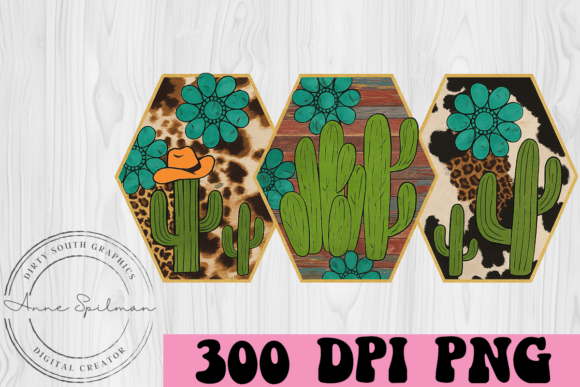
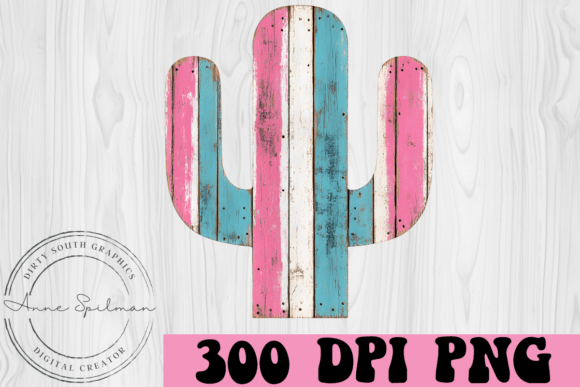
The Distressed Wooden Cactus Western evokes a sense of vintage Americana, perfect for those who love western themes or want to add a touch of rugged elegance to their handmade products. The cactus is rendered with a weathered wooden texture, giving it a tactile feel even before stitching. It has a slightly irregular shape, which makes it look handcrafted rather than mass-produced. The detail level is impressive—there are subtle cracks and grain lines that mimic aged wood, adding depth without being overwhelming.
This kind of design naturally fits into custom apparel, tote bags, sweatshirts, and other items where visual storytelling is key. It feels like it belongs on a cozy throw blanket or a personalized gift for someone who loves desert motifs and cowboy culture. The theme is versatile enough for both men's and women's wear, especially if paired with complementary typography or western-style accents.
Real-Life Use Scenarios
I imagined using this design for a line of custom embroidered tote bags aimed at boutique shoppers and fans of artisanal goods. The size, at least 3000 pixels wide, translates to a little over 10 inches when printed or stitched, which is generous for most projects. That means it can be used as a statement piece on larger items like sweatshirts or aprons, or scaled down for smaller accessories such as patches or hat embellishments.
On a soft cotton canvas tote, the machine embroidery design would pop with a mix of satin and fill stitches. The wooden texture could be simulated through stitch density and thread color choices. For example, using a light brown palette with some contrast from darker tones could really bring out the distressed effect. On a baby item, though, I’d consider toning it down—maybe converting it to black and white or using muted earth tones to keep it gentle and timeless.
When thinking about commercial embroidery, this graphic works well for small shop merchandise and Etsy listings. Its boldness and uniqueness make it ideal for branding purposes, especially if your niche includes western décor, rustic home goods, or outdoor-themed apparel. As a digital embroidery file, it also serves as a strong printable mockup asset for showing off how it might appear on different products.
Where Caution Is Needed
Despite its strengths, there are scenarios where the Distressed Wooden Cactus Western needs careful handling. Because of its size and detail, it may not work well in small hoop sizes. Scaling it down too much could lose the texture and visual impact that makes it stand out. If you’re planning to use it on a cap or curved surface, consider whether the proportions will hold up after distortion.
Textured fabrics like flannel or denim might challenge the clarity of the embroidery file, especially in areas with fine details. Thin or stretchy materials may require additional support from a good stabilizer to prevent puckering or distortion during the stitching process. Dark fabric backgrounds could mute the effect, so testing it on various colors is essential before finalizing a production run.
Also, take note of the corners and edges. The organic, uneven shape of the cactus might not translate perfectly on all materials or sewing machines, particularly if you're working with tight spaces or intricate garment layers. Always inspect small details—like the base of the cactus or any subtle cracks—to ensure they remain intact after stitching.
Design Impact and Customer Perception
One of the things I appreciate about this illustration is how it adds value to a finished product. Whether it’s a personalized gift or part of a craft business collection, the visual appeal is undeniable. Customers tend to gravitate toward designs that tell a story, and the wooden cactus definitely does that. It feels intentional, like it was made for a specific purpose—whether that’s decorating a western-themed nursery or creating a unique holiday gift.
Its brand consistency potential is high, especially for shops aiming to build a cohesive aesthetic around nature, nostalgia, or DIY style. As an embroidered patch, it could become a signature element for a line of handmade products, instantly recognizable to repeat customers. Stitching it onto a pillow cover or tea towel gives it a decorative yet functional presence, making it more than just a graphic—it becomes part of the lifestyle.
Designer Notes for Practical Application
- Test on scrap fabric before committing to a real project. Especially if you're using a textured or stretchy material.
- Check thread color contrast to ensure the cactus remains visible and impactful on your chosen fabric.
- Review stitch density in the detailed areas—too dense and it might pucker; too loose and it could lose definition.
- Confirm the recommended hoop size and machine compatibility if these details are provided (note: the listing doesn’t specify these, so double-check them).
- Inspect small details like the base of the cactus or any grain lines—these could be tricky depending on your machine and stabilizer choice.
- Try it in a black and white mockup to see how it performs under monochrome lighting or if you're considering a simplified version.
- Compare how it looks on light and dark fabric backgrounds—this helps determine visibility and overall balance.
- Use proper stabilizer to maintain quality, especially if you're working with delicate or washed-out textiles.
- Always check the license terms before using it in commercial projects or selling digital assets based on it.
Beyond the Needle: Branding and Marketability
From a branding perspective, the Distressed Wooden Cactus Western can serve as a memorable emblem for a craft business or small shop product line. Its design assets have the potential to create a consistent look across multiple items—think matching sweatshirts, aprons, and patches. This kind of cohesiveness builds customer trust and encourages repeat purchases.
For Etsy sellers and creative entrepreneurs, the design’s versatility is a major plus. It works equally well as a standalone graphic or as part of a layered embroidery project. Pair it with a name or phrase in a complementary font, and you’ve got a ready-made personalized gift or apparel decoration that speaks directly to your target audience.
Final Thoughts on Project Suitability
While the Distressed Wooden Cactus Western isn't the most minimalist design, it’s one that demands attention in the right way. It’s best suited for projects where texture and character matter more than subtlety. Think of it as the kind of design that turns heads in a craft fair or adds flair to a curated handmade shop display. It’s not for every project, but when it fits, it shines.
If you're considering this graphic for a new embroidery project, remember to evaluate how it interacts with your materials and brand identity. Does it feel authentic? Will it hold up to frequent washing? Can it be adapted for different uses without losing its charm?
In my experience, the Distressed Wooden Cactus Western is a solid addition to any embroiderer’s library. It brings a bit of soul to a project and offers flexibility for creative expression. Just make sure to plan ahead and test thoroughly—because while the design looks great on screen, what matters most is how it holds up after the needle hits the fabric.